Log Siding vs Wood Siding: A Comprehensive Comparison
Introduction
When it comes to enhancing the exterior appeal of your home, choosing the right siding is crucial. Log siding vs wood siding presents a fascinating debate among homeowners and builders alike. Did you know that log siding has surged in popularity due to its rustic aesthetic and energy efficiency? Historically, both log and wood siding have played significant roles in architecture, but their applications and perceptions have evolved remarkably over time.
In this article, we will explore the key differences between log siding and wood siding, focusing on their definitions, advantages, and applications. We will delve into their historical significance, how they are constructed, and the benefits they offer to homeowners today. Understanding the nuances of log siding vs wood siding is essential for making informed decisions about your home’s exterior. Whether you’re building a new home or renovating an existing one, this guide will provide you with the insights needed to choose the best siding option for your needs.
What is Log Siding vs Wood Siding?
Definition
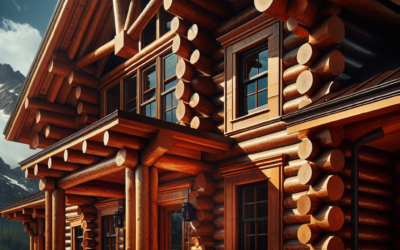
Log siding and wood siding both serve as protective and aesthetic coverings for homes, but they have distinct characteristics. Log siding is typically made from whole logs that are either milled or left in their natural state, giving a home a rustic appearance. On the other hand, wood siding encompasses a broader category, which includes various styles like clapboard, shiplap, and board-and-batten, typically made from thinly cut boards.
- Log Siding:
- Made from whole logs or milled logs.
- Provides a rustic and natural look.
- Excellent insulation properties due to the log’s thickness.
- Wood Siding:
- Available in various styles and finishes.
- Can be painted or stained for customization.
- Generally lighter and less expensive than log siding.
Historical Context
Historically, log siding has its roots in the early log cabins built by settlers. These structures utilized readily available materials, providing warmth and shelter in harsh climates. Wood siding, however, has a more extensive history, with various types emerging over centuries, reflecting different architectural styles and regional preferences.
Importance of Log Siding vs Wood Siding
Understanding the differences between log siding vs wood siding is essential for homeowners and builders today for several reasons:
- Aesthetic Appeal: Each siding type contributes differently to a home’s curb appeal.
- Durability: The lifespan of each material can influence long-term costs and maintenance.
- Energy Efficiency: The insulation properties of log siding may lead to lower energy bills, making it a sustainable choice.
Log Siding vs Wood Siding in the Context of the Construction Industry
In contemporary construction, there’s a growing trend towards sustainable materials. Log siding is often celebrated for its eco-friendliness, while wood siding options can also be sourced sustainably. Understanding how these materials fit into current building practices is crucial as homeowners become more conscious of their environmental impact.
Key Players or Contributors
Several innovative manufacturers and designers have contributed to the popularity of both log siding vs wood siding. Brands specializing in sustainable sourcing and advanced manufacturing techniques have transformed these materials into viable options for modern homes.

How Does Log Siding vs Wood Siding Work?
The Mechanics of Log Siding vs Wood Siding
When it comes to installation, the mechanics behind log siding vs wood siding differ significantly.
- Log Siding Installation:
- Logs are typically pre-cut and milled to ensure uniformity.
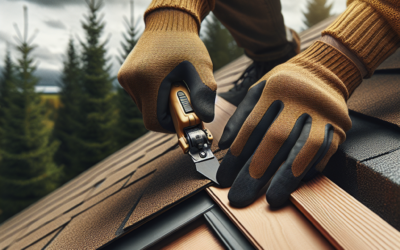
- They are attached to a structural frame, often using specialized fasteners.
- The installation process requires careful alignment to maintain the aesthetic and structural integrity.
- Wood Siding Installation:
- Wood boards are cut to desired lengths and can be installed in various configurations.
- Installation techniques vary based on the siding style (e.g., overlapping, vertical, or horizontal applications).
- It often requires a moisture barrier for better durability.
Technological Foundations of Log Siding vs Wood Siding
The production and installation of both siding types involve specific materials and tools:
- Log Siding:
- Tools: Chainsaws, milling machines, and specialized log siding tools.
- Materials: Whole logs or milled logs from various species, such as cedar or pine.
- Wood Siding:
- Tools: Saws (circular and miter), hammers, nails, and paint sprayers for finishing.
- Materials: Various wood types, often treated for weather resistance.
Real-World Applications of Log Siding vs Wood Siding
Both siding types have found their place in diverse architectural styles.
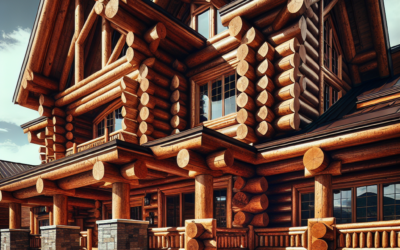
- Log Siding: Commonly used in cabins and rural homes, it enhances the natural aesthetics of the landscape.
- Wood Siding: Versatile enough to complement modern designs, it can be found in urban settings and suburban neighborhoods.
Case Studies/Examples of Log Siding vs Wood Siding in Action
To illustrate the effectiveness of both siding types, consider these examples:
- A log cabin nestled in the woods showcases the energy efficiency and rustic charm of log siding.
- A modern farmhouse adorned with painted wood siding demonstrates how wood can adapt to contemporary aesthetics.
Benefits and Drawbacks of Log Siding vs Wood Siding
Understanding the pros and cons is vital for making the right choice:
Log Siding
Benefits:
- Excellent insulation properties.
- Unique aesthetic appeal.
- Durable and long-lasting.
Drawbacks:
- Higher initial cost compared to wood siding.
- Requires regular maintenance to prevent moisture issues.
Wood Siding
Benefits:
- Wide variety of styles and finishes.
- Generally more affordable.
- Easier to install for DIY projects.
Drawbacks:
- May require more maintenance due to susceptibility to pests and weather.
- Less energy efficient compared to log siding.
The Benefits of Log Siding vs Wood Siding
Why Use Log Siding vs Wood Siding?
Choosing between log siding vs wood siding ultimately depends on your personal preferences, budget, and the desired aesthetic for your home. Here are some practical advantages of each:
- Log Siding:
- Energy Efficiency: The thick logs provide excellent insulation, reducing heating and cooling costs. To learn more about how log siding can save on utility bills, check out our article on log siding energy efficiency.
- Natural Beauty: Log siding offers a warm, rustic look that blends seamlessly with nature. For design inspiration, explore our collection of log siding design ideas.
- Long-lasting Durability: With proper maintenance, log siding can last for decades, making it a worthy investment.
- Wood Siding:
- Versatility: With numerous styles available, wood siding can suit any architectural design. Discover various options in our guide to log siding options styles for every home.
- Cost-Effectiveness: Generally, wood siding is more affordable, making it a popular choice for budget-conscious homeowners. Learn more about log siding prices to plan your budget effectively.
- Customization: Wood siding can be easily painted or stained, allowing for personalized looks that can change over time.
Conclusion
In summary, the choice between log siding vs wood siding hinges on various factors, including aesthetics, budget, and maintenance preferences. Log siding offers a unique, rustic charm and energy efficiency, while wood siding provides versatility and cost-effectiveness.
As you embark on your siding journey, consider your home’s architectural style, your budget, and how much maintenance you’re willing to commit to. Both options have their merits, and understanding their differences will empower you to make an informed decision that enhances your home’s beauty and functionality.
For further insights into maintaining the beauty of your siding, check out our article on log siding maintenance tips. If you’re interested in installation, our log siding installation guide offers expert tips to ensure your project is a success.
By weighing the advantages and disadvantages presented in this article, you can confidently choose the siding solution that best fits your style and needs. Happy building!
Resource Links:
1. HouseLogic – A comparison of log siding and traditional wood siding, focusing on durability, maintenance, and aesthetic appeal.
2. HomeAdvisor – An analysis of the pros and cons of log siding compared to wood siding, including cost and installation factors.
3. The Spruce – An overview of log siding versus wood siding, discussing style options and long-term performance.

0 Comments